


Last Updated on 03/11/2026 by Dr Chetan Kaher
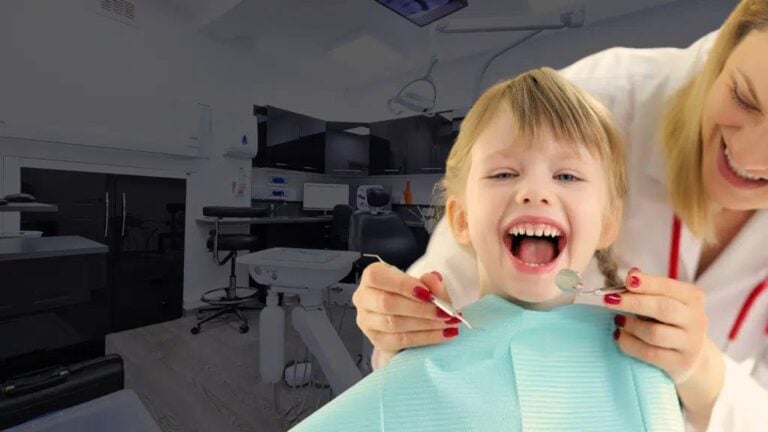
It is one of the most common things parents say when a children’s dentist points out a cavity in a baby tooth: “but it is going to fall out anyway, does it really matter?” It is a reasonable question, and the honest answer is yes, it matters more than most parents realise.
Why baby teeth aren’t just placeholders
Baby teeth do more than let kids chew and smile. They hold space for the permanent teeth developing underneath, guide the jaw’s growth, and support speech development. A cavity left untreated in a baby tooth doesn’t just affect that tooth in isolation, it can affect the environment the adult tooth is developing underneath it.
What causes cavities in kids in the first place
Cavities form when bacteria in the mouth feed on sugars from food and drink, producing acid that gradually wears away tooth enamel. In children, a few specific habits tend to be behind most cases:
- Frequent snacking or grazing throughout the day, which keeps acid levels elevated for longer than a few concentrated meals would.
- Sugary drinks, including fruit juice, sipped slowly over time rather than finished quickly.
- Inconsistent or rushed brushing, particularly before bed when saliva production naturally drops.
- Falling asleep with a bottle of milk or juice, which pools sugar against the teeth for hours.
None of these are unusual parenting mistakes, they’re extremely common, which is exactly why kids’ teeth cavity rates remain high despite most parents genuinely trying to do the right thing.
Toddler tooth decay: why it can move faster than in adults
Toddler enamel is thinner and less mineralised than adult enamel, which means toddler tooth decay can progress from a small spot to a more significant cavity considerably faster than the equivalent damage would in an adult tooth. This is part of why catching it early through regular check-ups matters more in young children, not less, even though the tooth itself is temporary.
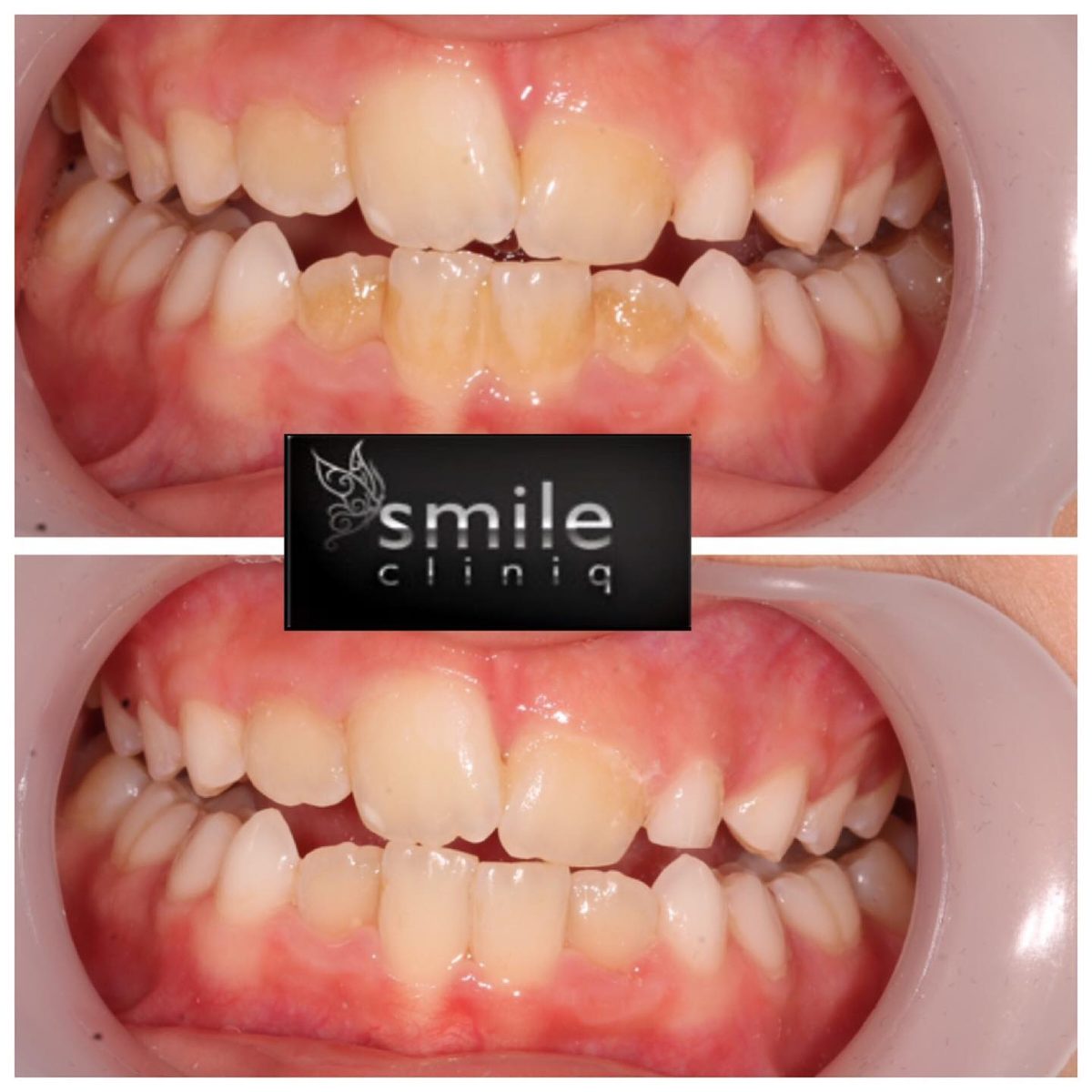
What happens if a baby tooth cavity is left untreated
A few things can follow, none of them minor:
- Pain and infection, which can affect eating, sleeping, and general wellbeing.
- Early loss of the tooth, which can allow neighbouring teeth to drift into the gap, leaving insufficient space for the permanent tooth when it is ready to come through.
- In more advanced cases, infection spreads to the developing permanent tooth underneath.
- Disrupted eating habits, since children in pain often avoid chewing on the affected side, sometimes affecting nutrition.
Does losing a baby tooth early really cause crowding later?
Yes, more often than parents expect. Baby teeth act as spacers. When one is lost significantly earlier than it would naturally fall out, whether from decay or injury, the surrounding teeth can shift into that space over the following months. By the time the permanent tooth is ready to erupt, there may not be enough room left, which can mean a straightforward eruption becomes a crowded, complicated one instead, sometimes requiring orthodontic treatment later that could have been avoided.
Treating a cavity in a baby tooth: what it actually involves
Treatment depends on how advanced the decay is. Early cavities are often managed with a filling, similar in principle to adult treatment but usually quicker given the smaller tooth size. More advanced decay reaching the nerve may need a pulp treatment, similar in concept to a root canal, to preserve the tooth until it’s naturally ready to fall out, rather than removing it prematurely and risking the spacing issues described above.
Prevention that actually works
- Brushing twice daily with a pea-sized amount of fluoride toothpaste, supervised until children can reliably spit rather than swallow.
- Limiting sugary drinks to mealtimes rather than sipping throughout the day.
- Never sending a child to sleep with a bottle containing anything other than water.
- Starting dental visits early, ideally by their first birthday or once the first tooth appears, rather than waiting until a problem is visible.
The bottom line
A cavity in a baby tooth isn’t a non-issue just because the tooth is temporary. Left untreated, it can affect pain, nutrition, and the space available for permanent teeth still developing underneath. Treating a children’s dentist visit as optional until something looks visibly wrong tends to mean catching problems later and larger than they needed to be.
Getting a small child to a dental appointment is its own logistical exercise, so it is worth knowing that the Finchley practice on Ballards Lane has free parking on the surrounding side streets outside the 2pm to 3pm restriction, and St John’s Wood on Boundary Road has parking available. Both see children, and the first visit is deliberately a short one.
Smile Cliniq has two London practices: Finchley (138 Ballards Lane, Finchley, London N3 2PA, 020 8343 1133) and St John’s Wood (102 Boundary Road, London NW8 0RH, 020 7328 1200).
Frequently asked questions
What causes cavities in kids most commonly?
Frequent snacking, sugary drinks sipped over time, inconsistent brushing (especially before bed), and falling asleep with a bottle are the most common contributing factors.
Is toddler tooth decay different from decay in older children or adults?
Yes. Toddler enamel is thinner and less mineralised, meaning decay can progress faster from a small spot to a more significant cavity than it typically would in older teeth.
Does a cavity in a baby tooth really affect the adult tooth underneath?
It can. Untreated decay or early tooth loss can lead to crowding or, in more serious cases, affect the developing permanent tooth directly, which is why early treatment matters even for a tooth that will eventually fall out naturally.

Related Blogs