








A Periodontist is a dentist with further post graduate qualifications in the treatment of gum and periodontal disease. If you’re in need of a periodontist in London, here at Smile Cliniq, we are winners of the Best Practice London and Best Young UK Dentist.
We are fortunate enough to have Dr Evdokia Chasioti as one of our periodontal specialists at our practice in Finchley and St Johns Wood, London. She is recognised by the GDC as a periodontist specialist in London. She is also an international member of the American Academy of Periodontology and a member of the British Society of Periodontology and the Association of Dental Implantology, UK.
Periodontist London Reviews
London Periodontist Dentists at Smile Cliniq
- Dr Evdokia Chasioti
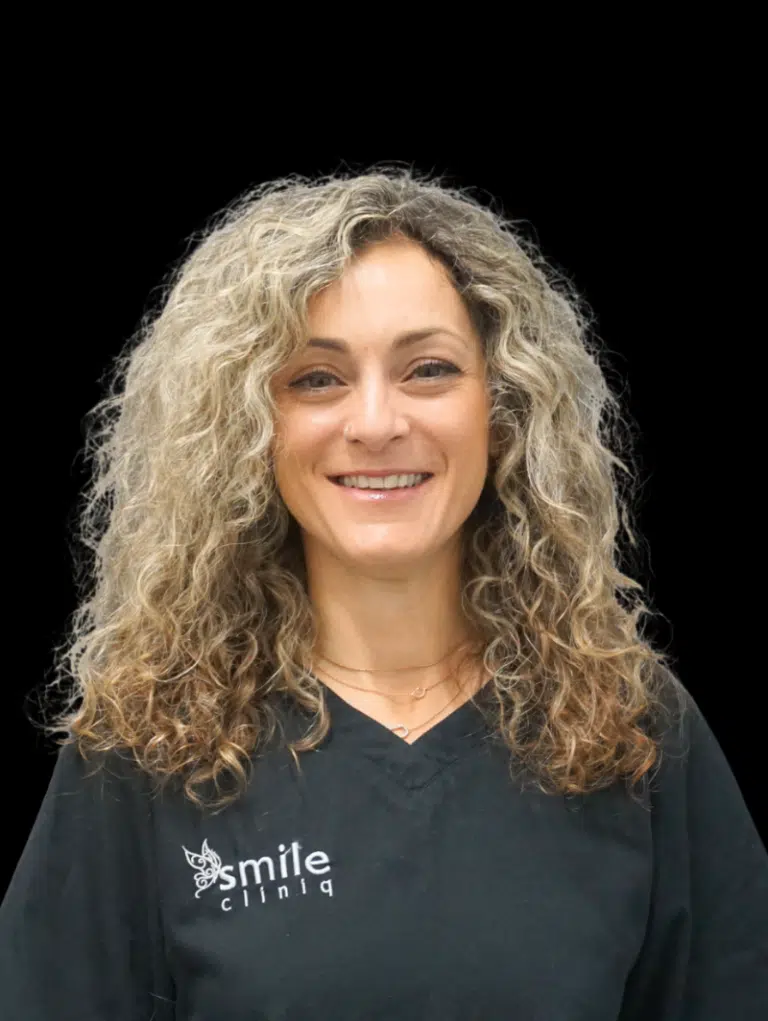
Dr Evdokia Chasioti
DipDS, MDS
Specialist Periodontist


The Best Periodontist London Treatment with Our Team
The Importance of Periodontist London Treatment for General Health
A series of reports were recently published from the American Academy of Periodontology (AAP), in collaboration with the European Federation of Periodontology (EFP), with scientific data linking periodontitis to other systemic diseases including diabetes, cardiovascular disease and adverse pregnancy outcomes.
There is strong evidence that periodontitis provides an increased risk for future cardiovascular disease and that there is an independent association between periodontitis and diabetes. Treatment by a periodontist specialist London may provide favourable effects on diabetes outcomes in some patients. Therefore, regular comprehensive periodontal specialists’ evaluations should be part of a diabetes management plan.
Women considering pregnancy should consult with the periodontal dentist to act towards the prevention and minimisation of periodontal bacteria. It’s important to minimise the risk of bacteria getting into the bloodstream, which happens when gum bleeding is present. Additionally, evidence suggests a relationship between periodontitis and other systemic diseases, including chronic obstructive pulmonary disease, pneumonia, chronic kidney disease, rheumatoid arthritis, obesity and metabolic syndrome.
Since the mouth is part of our body, our body senses the presence of the harmful periodontal bacteria. Action should be taken towards the prevention and treatment of periodontal disease towards a healthier lifestyle.
An early and easy diagnosis of periodontal inflammatory processes can be of major importance for the prevention and treatment of systemic diseases.
Signs of Periodontal Bacteria & Diagnostic Tests by Periodontist Specialist London
Periodontal tissue damage and inflammation can be measured by a gum specialist in London with quick and completely painless tests in the clinic followed by laboratory tests. The tests can discover hidden inflammation very early, even before clinical symptoms begin to appear such as periodontal destruction, bad breath and/or loosening of teeth.
In advanced periodontal disease cases, the test identifies different types of the most harmful periodontal bacteria that are responsible for different types of the disease. The overall benefit of the test is profound since it aids in formulating a personalized treatment plan targeted to the existent specific periodontal bacteria.
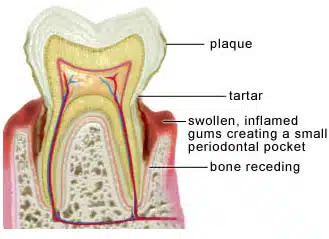
The enzyme test measures the active Matrix Metalloproteinase-8 (aMMP-8) in mouth rinse fluids or between the gum and the tooth (dental sulcus). This is the major enzyme for periodontal inflammation, and it is known to be responsible for the collagen destruction of the gum.
The PCR periodontal bacteria test results provide us with a comprehensive analysis of the exact type of pathogenic periodontal bacteria affecting each patient. Specific recommendations for successful treatment strategy are formulated for each individual patient.
Collecting the sample is a completely painless and easy process. Plaque is collected by the periodontal dentist with paper strips that are placed between the gum and the tooth in periodontal pockets, and it only takes two minutes in the dental chair. The plaque is sent and analysed at the laboratory and a report is processed to significantly improve the quality of care we grant to our patients.

Scaling & Root Planing
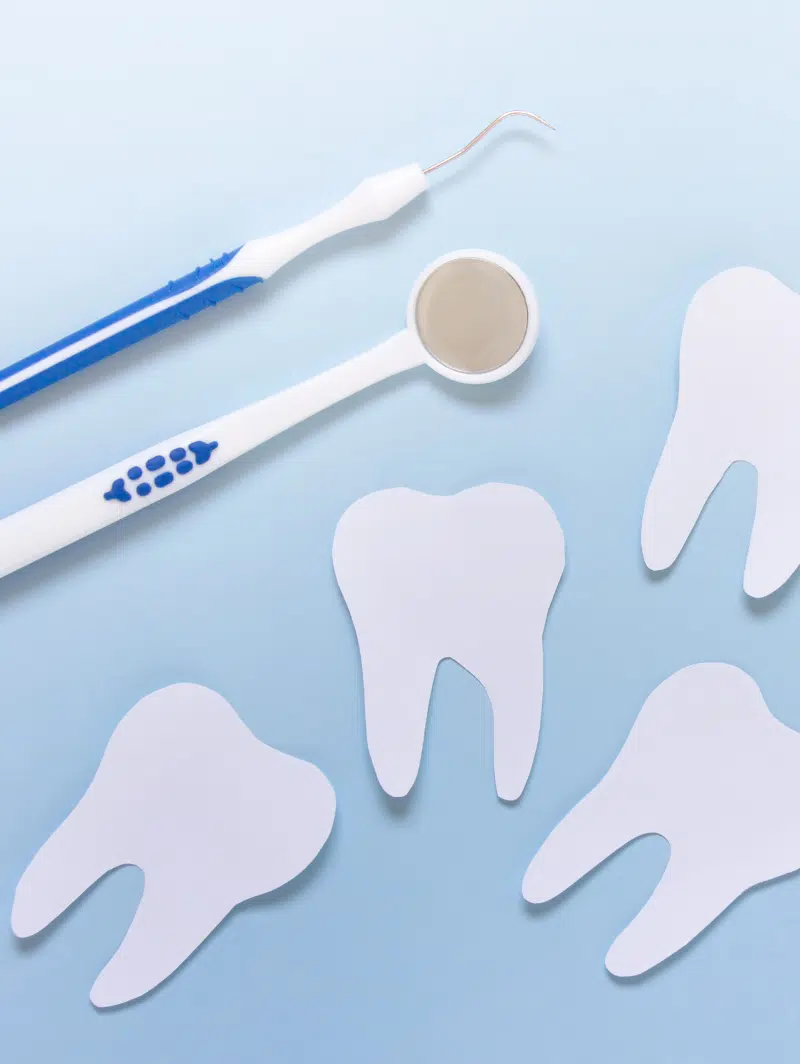
The periodontal specialist will use an ultrasonic scaler to remove calculus from above and below the gums, and various hand instruments to access bacteria deeper within the pockets. This is performed under local anaesthetic to guarantee no pain.
Treatment of periodontitis is a lifelong commitment. Even after having treatment with our Periodontist London, it cannot be stressed enough how important it is to follow a strict oral hygiene regime at home to keep periodontitis under control. For more information on how to look after your teeth at home, please click on our oral hygiene guide.
All specialist treatments are carried out at the Smile Cliniq Dental surgery in Finchley, North London and St Johns Wood, London. If you think you require periodontist London treatment from our Periodontal Specialist Dr Evdokia Chasioti or want to ask a few questions about seeing her at our dentist London, just simply call our number on 020 8090 9077. You can also contact us via email at info@smilecliniq.com.

Surgical Periodontal Gum Treatment
The distance between your gum and your teeth (periodontal pockets) may be too deep for you and the Periodontal dentist or hygienist to keep clean. Under such circumstances, pocket elimination is one of the most common surgical procedures used to treat periodontal disease.
Stabilization of Wobbly Teeth Splinting
When the teeth are compromised from a periodontal point of view and have lost most of their bone and gum support due to periodontal disease, they become wobbly. As a result, the chewing efficiency, phonetics, and function are compromised. To increase patient comfort during chewing we can connect multiple teeth together (teeth splinting) to reduce mobility and improve the patient’s function and chewing efficacy.
Also, when the teeth are used as abutments for partial dentures, they can be connected together to increase support of the periodontally compromised teeth. However, splinting makes oral hygiene procedures difficult. To ensure the longevity of the connected teeth, special attention must be taken towards oral hygiene.
To connect teeth to each other, the enamel surface of the tooth is etched, most commonly with a 37% solution of phosphoric acid and fibre reinforced composite resin can then be bonded to the etched surface to rigidly connect the teeth to each other. The connection can be strengthened by adding a fibre or metal framework. No healthy tooth substance is removed and if the splint requires repairs in the future, it can be easily reinforced without harming sound tooth structure.

High quality affordable dentistry


Hear From Our Happy Patients


Periodontist London FAQs
Find Our Clinics
Address:
102 Boundary Rd, London NW8 0RH
Nearest Station:
Swiss Cottage, Finchley Road, St Johns Wood, Kilburn High road.
Nearest Bus Stop:
Boundary Road / Abbey Road (Buses 139, 189)
Address:
138 Ballards Ln, Church End, London N3 2PA
Nearest Station:
Finchley Central & West Finchley (Northern Line)
Nearest Bus Stop:
Ballard’s Lane / Christchurch Avenue (Buses 13, 125, 460)


Other Services

